The Lost Barn Quilt Trails of Western North Carolina
Hurricane Helene washed away blocks, maps, and memories. Now, ArtsvilleUSA is racing to recover what's left of these Appalachian stories—and we need your help.

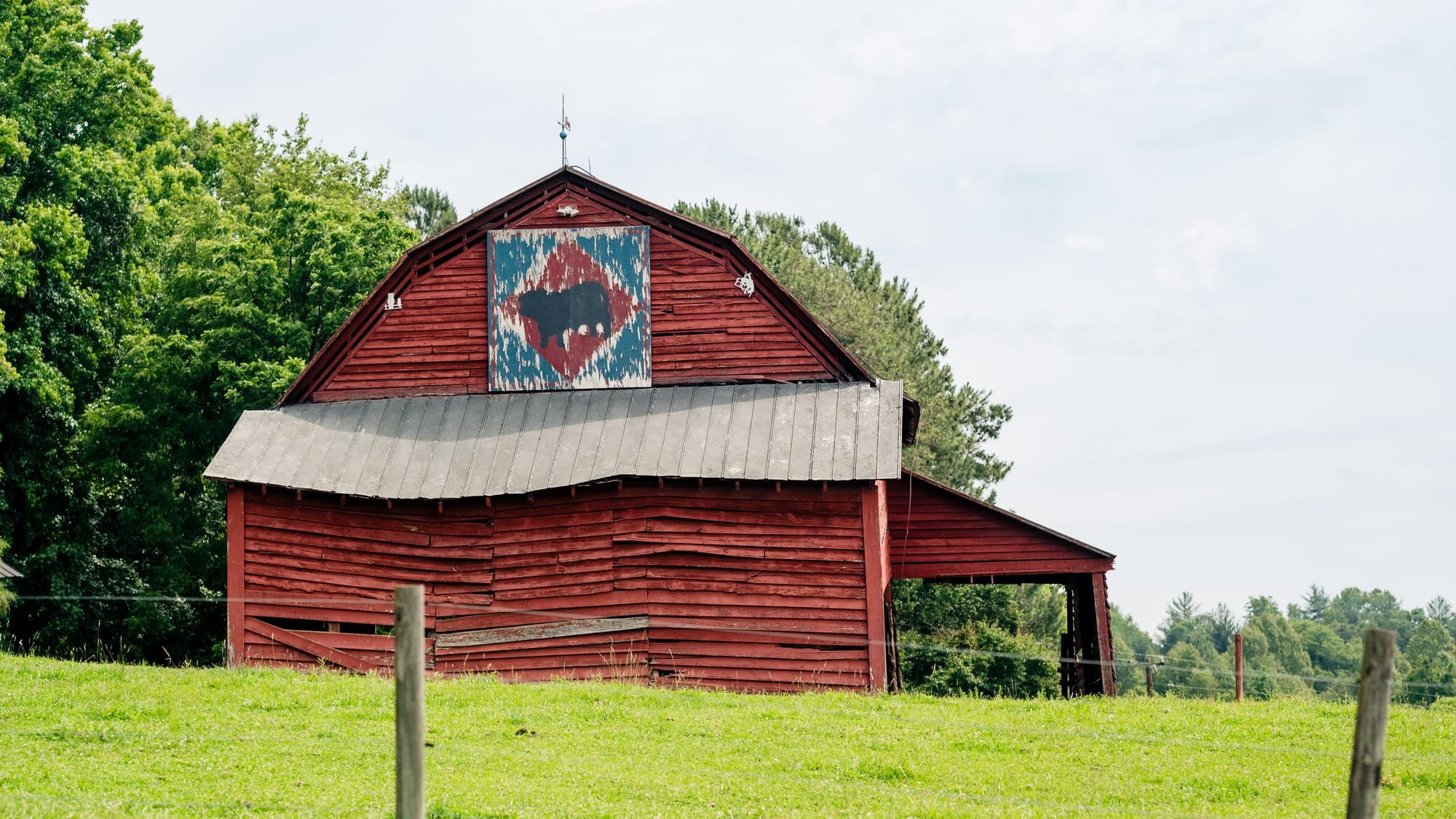
Drive through Jonathan Creek Valley off I-40 in Waynesville, and you’ll see a familiar sight: a graying tobacco barn standing guard over a flock of grazing lambs. Painted on its side, an Appalachian quilt square glows beneath a floodlight, a beacon in the night for anyone passing by.
Barn quilt squares, like the one on Howell Farm, are common in Western North Carolina. More than decorative patterns, these painted blocks tell stories about the people, places, and events that have shaped the region. When Hurricane Helene swept through, many of these blocks were lost. Of the sixteen original WNC trails, only three remain.
In this special episode, ArtsvilleUSA Executive Director Elise Wilson traces the barn quilt movement from its origins with German and Swiss immigrants in Pennsylvania to Donna Sue Grove’s first quilt square in Appalachian Ohio and Barbara Webster's Quilt Trails of WNC. Along the way, she talks with folklorist Zoe van Buren, photojournalist Michael Freas, painter Danna Kelly Bohnhoff, and Lillian Howell Rumsey, the fifth-generation steward of Howell Farm. Together, they discuss what is lost when a quilt trail disappears, and what can still be saved.
ArtsvilleUSA has salvaged 321 barn quilt designs and 228 personal stories, but we can’t do the rest without your help. Tune in to today’s episode to learn how you can lend a hand.
Highlights From Our Conversation
- Zoe van Buren on Placemaking: Folklorist Zoe van Buren knows that in Appalachia, a patch of land or an old barn is never just what you see. She talks about how folks here leave their mark, and how those places hold layer upon layer of meaning sometimes hidden from outsiders. [01:32]
- The Beginning of Barn Quilts: It all started in 2001, when Donna Sue Groves painted a quilt square for her mother, Maxine, in Appalachian Ohio. That simple act quickly became a movement, spreading vibrant barn quilts across almost every state and even into Canada. [02:46]
- Quilt Trails and Small Towns: Barbara Webster, who launched Quilt Trails of WNC, says the project is about honoring heritage. But it’s also helped bring visitors (and their lunch money) to local shops and restaurants in these rural towns. [03:49]
- Barn Quilts and Changing Times: As farming fades and tourism grows in western North Carolina, Zoe explains how barn quilts help families breathe new life into old tobacco barns—once the heartbeat of the community. [05:25]
- Buzzards Roost: Honoring History: The “Buzzards Roost” quilt block in Bakersville was created to remember those resting in a historic Black cemetery. Dr. Daniel Barron and his wife Brette placed it on their land, but after Hurricane Helene, the block was lost to a landslide. [08:21]
- The Disappearing Quilt Trail: Michael Freas set out with his dad to follow the Wilkes County quilt trail, only to find the quilts gone. But the idea didn’t fade—it found new ground in Haywood County. [15:22]
- A Quilt That Saved a Farm: Lillian Howell Rumsey made a flower petal quilt for her father and grandmother, then turned the barn into an Airbnb. That quilt helped keep her family’s farm running for five generations. [17:18]
- How to Get Involved: ArtsvilleUSA recaps what their pilot project has achieved so far and invites you to join in by sharing photos, volunteering, or making a donation. [25:19]
Quotables
- "I think of [placemaking] as the whole spectrum of things that we do to try to articulate our relationship to place and to do that in a visible way." — Zoe van Buren [01:39]
- "At the core of the project is heritage, and on the side is economic development." — Barbara Webster [04:06]
- "How do you reclaim them? How do you establish a sustainable relationship to them?" — Zoe van Buren, on tobacco barns [06:50]
- "Our relationships to the barns themselves are very complicated and kind of crack open very important stories about changing economies and family relationships to land." — Zoe van Buren [11:20]
- "When things start becoming multi-generational, they start to become cultural." — Zoe van Buren [14:44]
- "Barn quilts now represent families. They represent traditions. They represent Appalachian hard work, the faith of what these people had in generations before us." — Lillian Howell Rumsey [17:39]
- "Just so that when you come down the road, you can see it, and you won't ever be lost. You know, when you keep that light on, you're coming home." — Lillian Howell Rumsey [20:41]
- "Quilts are a part of Western North Carolina heritage. I'm hoping what this project might do is bring awareness to people younger than myself so that they understand it's important to know where you came from so you know where you're going." — Michael Freas [23:03]
- "It's a community effort to get these done, and it brings the community together." — Danna Kelly Bohnhoff [23:30]
Mentions & Connections
- Marks of Our Heritage: ArtsvilleUSA’s ongoing effort to recover, document, and archive the barn quilts and stories of Western North Carolina.
- Haywood County Arts Council: The council keeps one of the region’s few original quilt trails going strong and runs the painting studio at Folkmoot Friendship Center, where new designs come to life.
- Madison County Arts Council: The team that first brought the quilt trail idea from Ohio to the hills of North Carolina, setting this local tradition in motion.
- Michigan State University Quilt Index: Partners in preserving the barn quilt designs and family stories gathered from across the region.
- DigitalNC: Our archival partner ensures these stories and patterns remain accessible to the public for generations.
- Howell Barn Quilt Farmhouse: On this fifth-generation family farm, Lillian and Sugar Bear Rumsey’s flower petal barn quilt is both a tribute and a landmark.
- Burnsville Town Center: Where Barbera Webster’s textiles brighten the walls.
- Appalachian Regional Commission: The conference where Donna Sue Groves shared her vision and inspired the Barn Quilts of WNC project.
Get Involved/Where to Find More
- Share your barn quilt photos. Whether it’s a faded snapshot from years past or a recent road trip picture, every photo, no matter the age or quality, could help fill a gap in our story.
- Lend a hand on the trails: We’re looking for folks across Western North Carolina to help us find and document which quilt blocks still stand.
- Support the cause: Your donation helps send photographers into the field, build a lasting archive, and keep these stories from being lost to time.
- Tell us your story: If you know the hands behind a quilt square—who painted it, and why—let us know.
- Stay connected: Sign up for ArtsvilleUSA’s newsletter to get the latest on the barn quilt project, upcoming exhibits, and artist stories.
Contact & Socials
- Website: ArtsvilleUSA.com
- Instagram: @artsvilleusa
- Email: EliseWilson@ArtsvilleUSA.com; Editor@ArtsvilleUSA.com
Episode Credits
- Host: Elise Wilson, Executive Director, ArtsvilleUSA
- Guests:
- Barbara Webster: Founder, Quilt Trails of WNC (archival 2008 WKYK radio interview and 2026 conversation)
- Zoe van Buren: Deputy Director, North Carolina Arts Council
- Michael Freas: Photojournalist, Asheville
- Danna Kelly Bohnhoff: Volunteer Paint Captain, Haywood County Arts Council
- Lillian Howell Rumsey: Owner, Howell Farm, Jonathan Creek Valley, Waynesville
- Produced by: ArtsvilleUSA / Arterial Inc.
- Audio editing: Maggi Van Dorn
- Newsletter: Subscribe to the ArtsvilleUSA newsletter for more stories and updates on Western North Carolina’s arts and crafts scene.
Photo Gallery
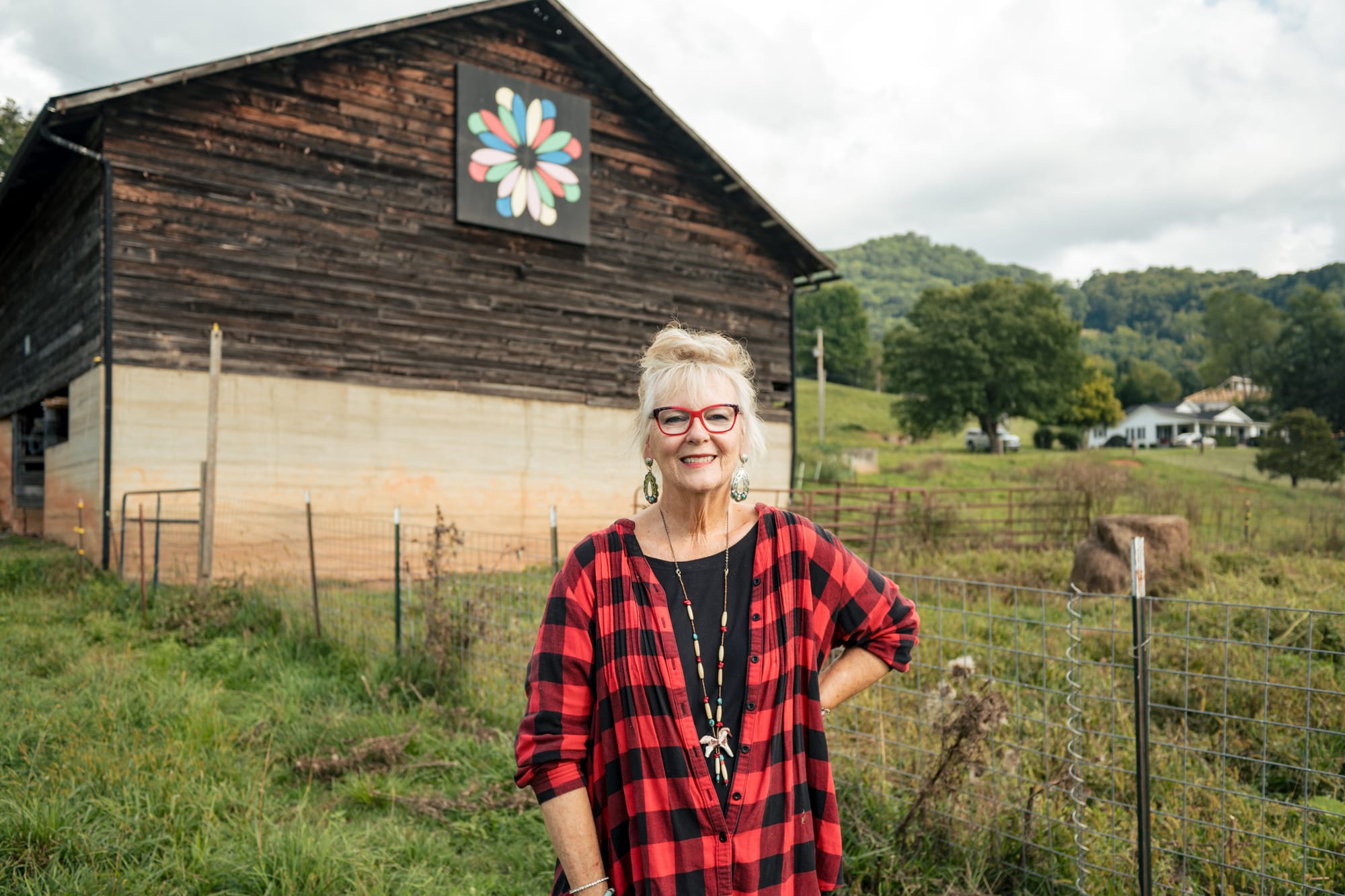
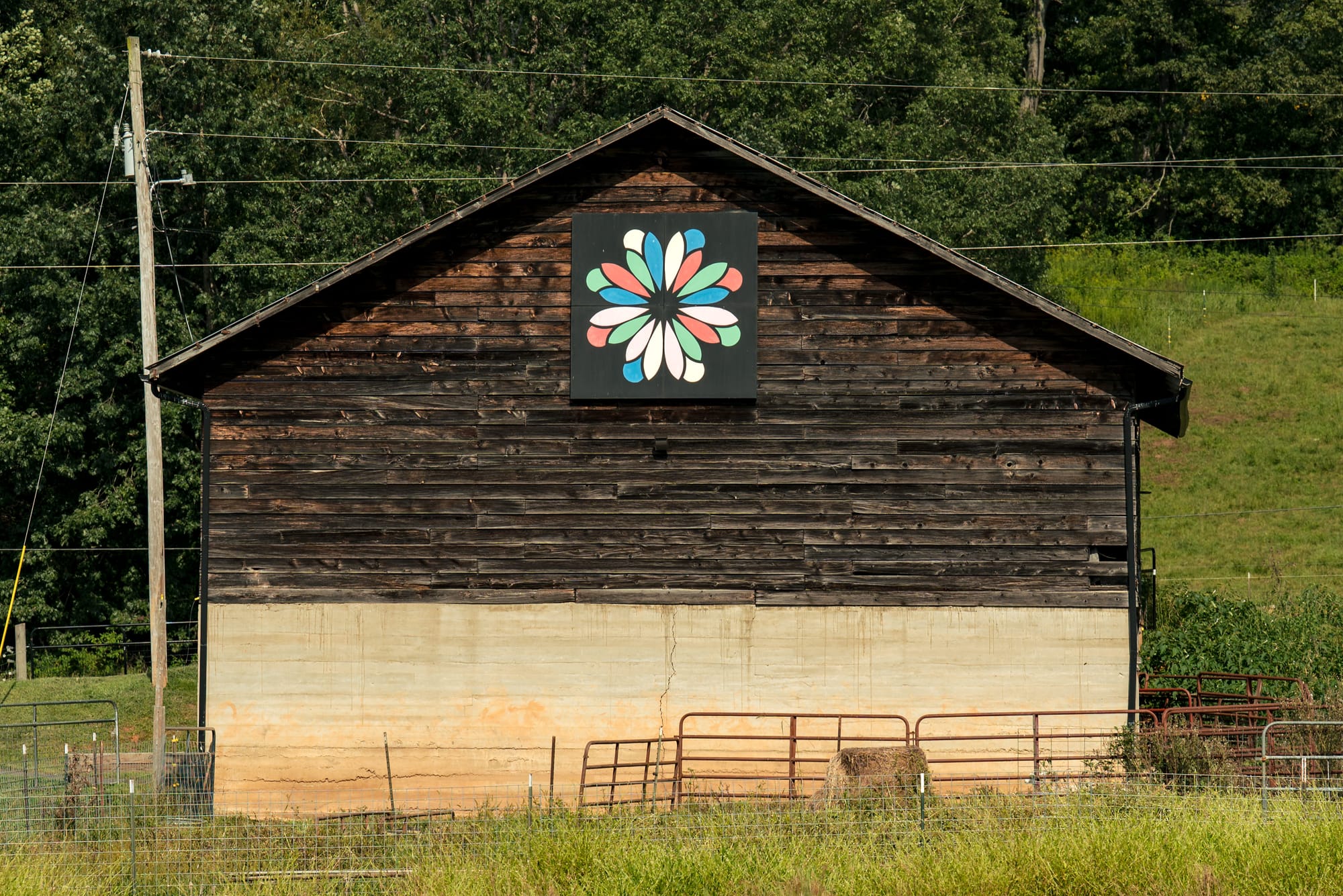
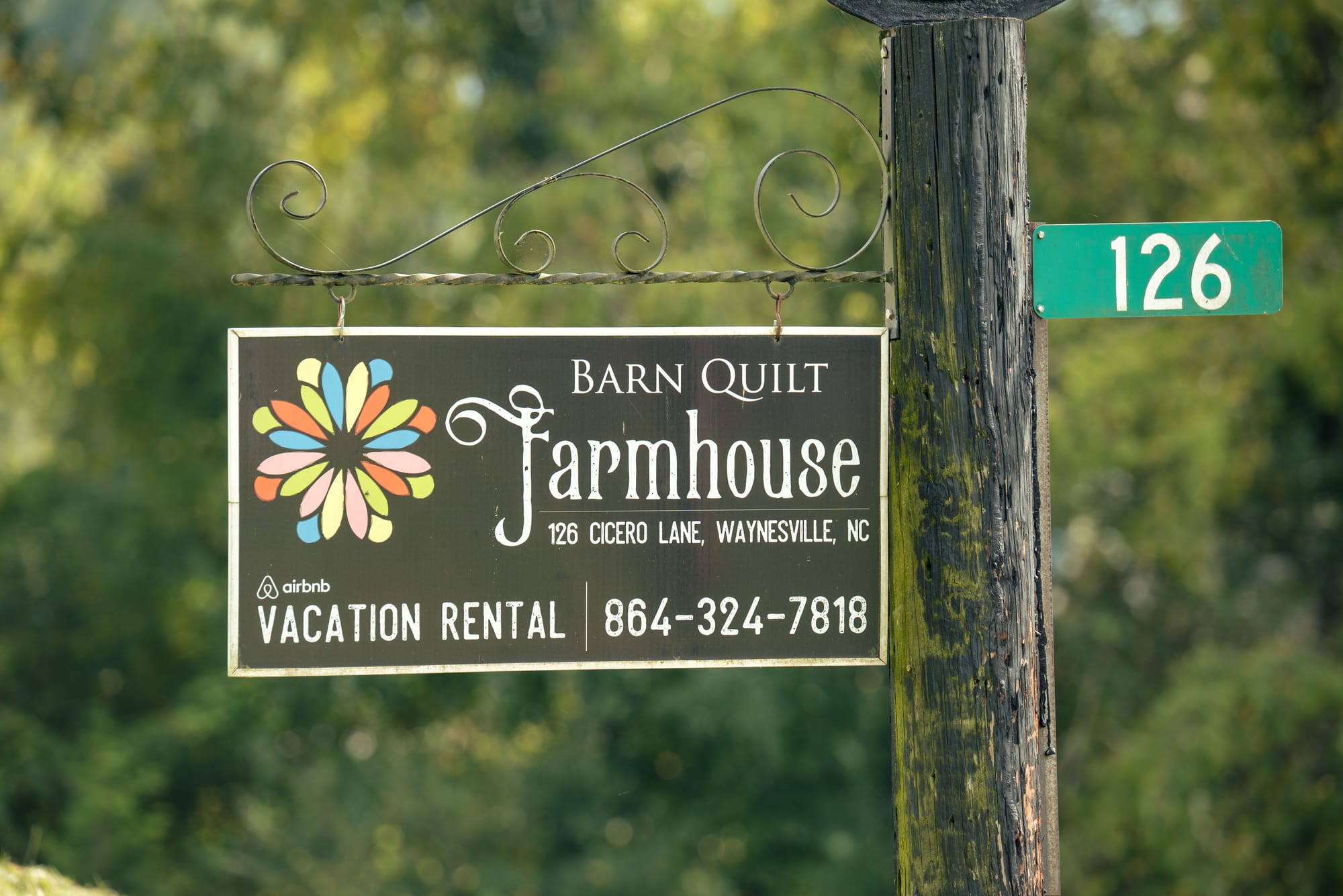
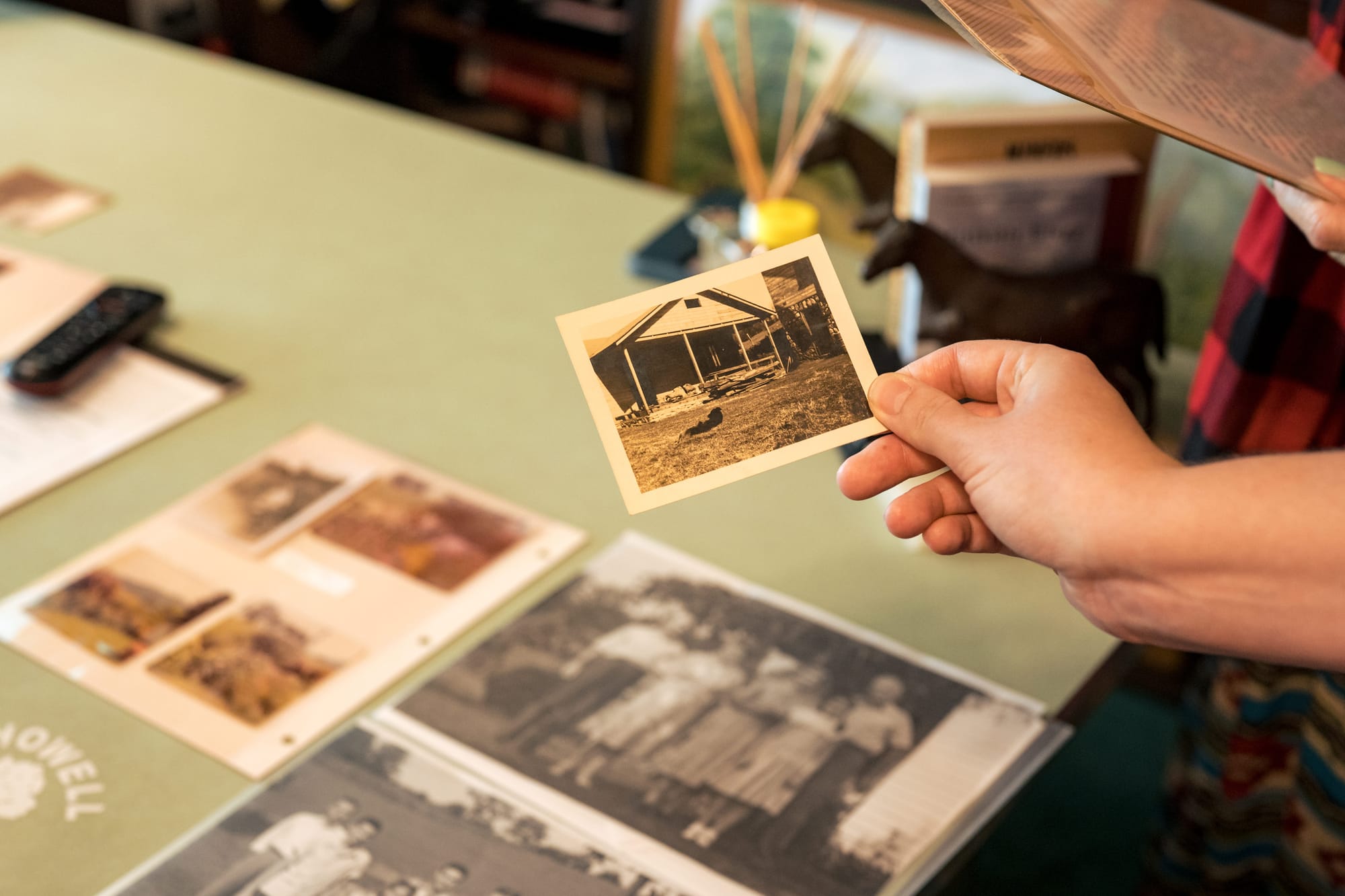
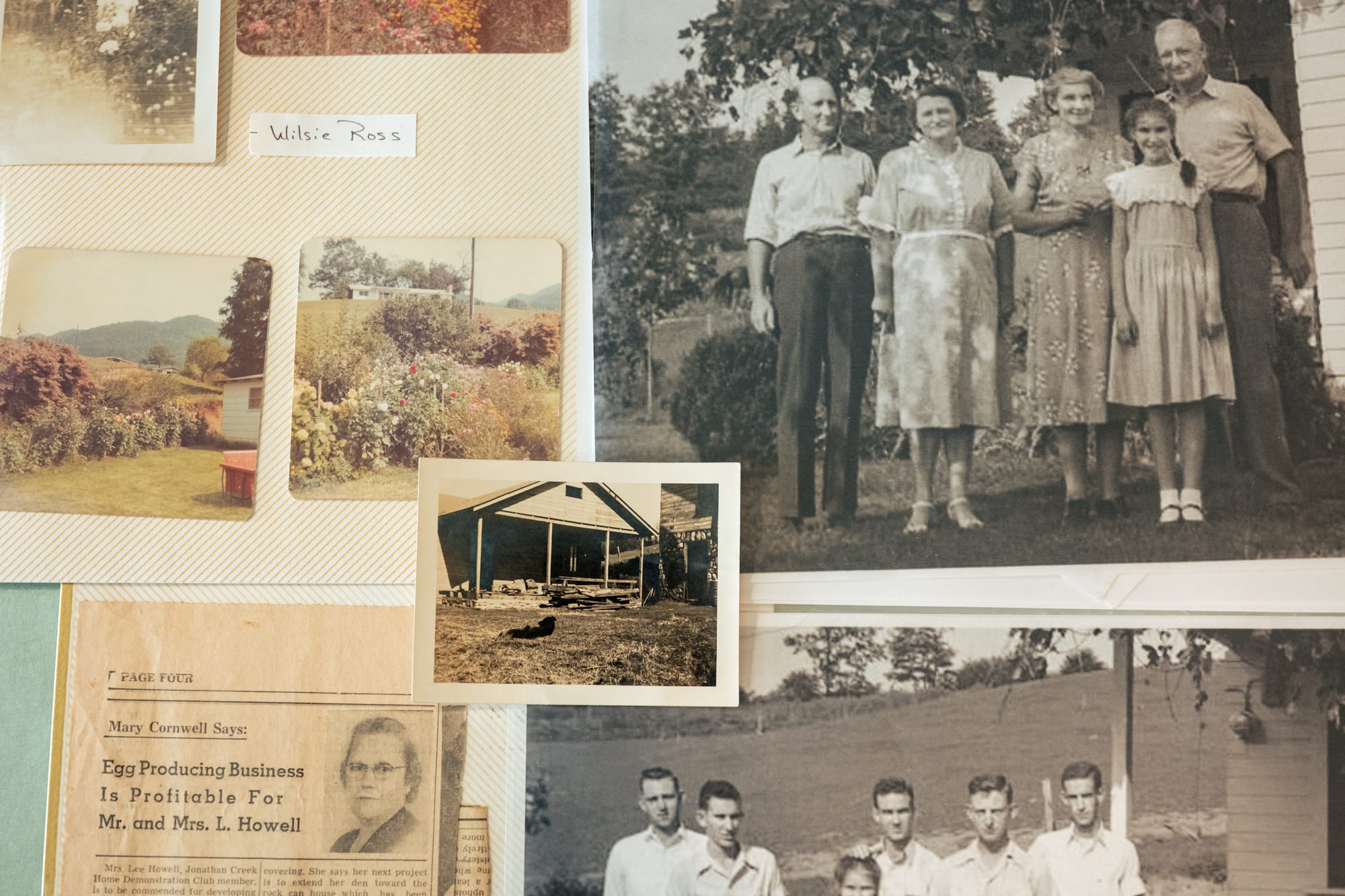
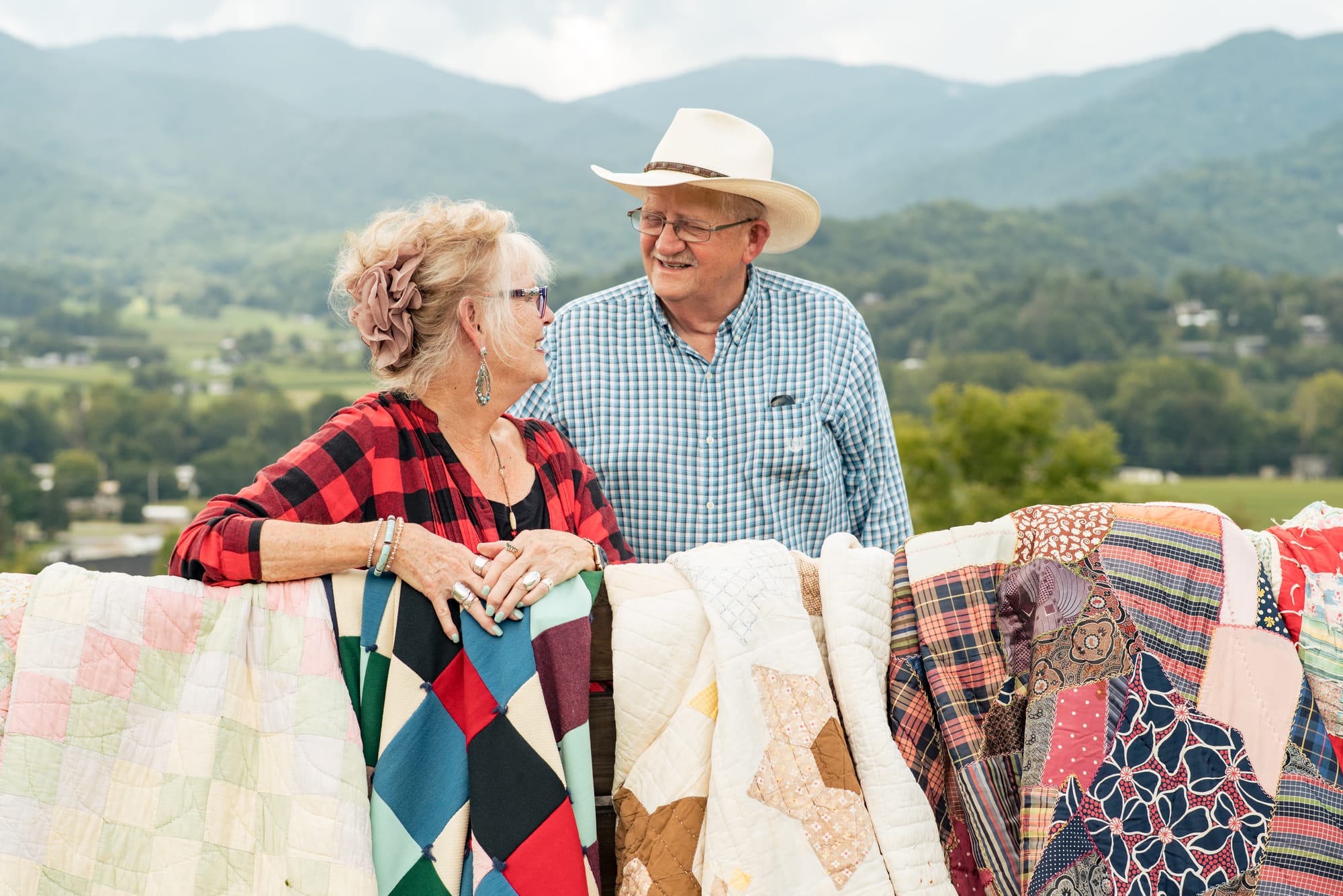
Fifth-generation steward of Howell Farm, Lillian Howell Rumsey, commissioned the flower petal barn quilt as a tribute to her family's legacy and a new landmark for the farm. Lillian and her husband, Sugar Bear Rumsey, are pictured with the family heirloom quilt that inspired the barn quilt design; photo: Michael Freas Photography.
All images published with permission of Michael Freas Photography and Lillian Howell Rumsey.