Carving Out a Career: Meet Haywood Community College’s Next Wave of Professional Craft Artists
Three new alumnae fresh from Haywood Community College’s Professional Crafts Program discuss what it takes to transition from student to working artist.

For two years, Haywood Community College’s Professional Crafts students lived and breathed wood, clay, fiber, and metal. Now, as their final showcase opens at the Southern Highland Craft Guild Folk Art Center (May 9–September 16, 2026) and online at ArtsvilleUSA, three new alumnae gather for a roundtable discussion about what it takes to go from tinkering during school lunch breaks to carving out a life in craft.
View the Haywood Community College Professional Crafts Grad Show at the link below, then scroll through to read their conversation.
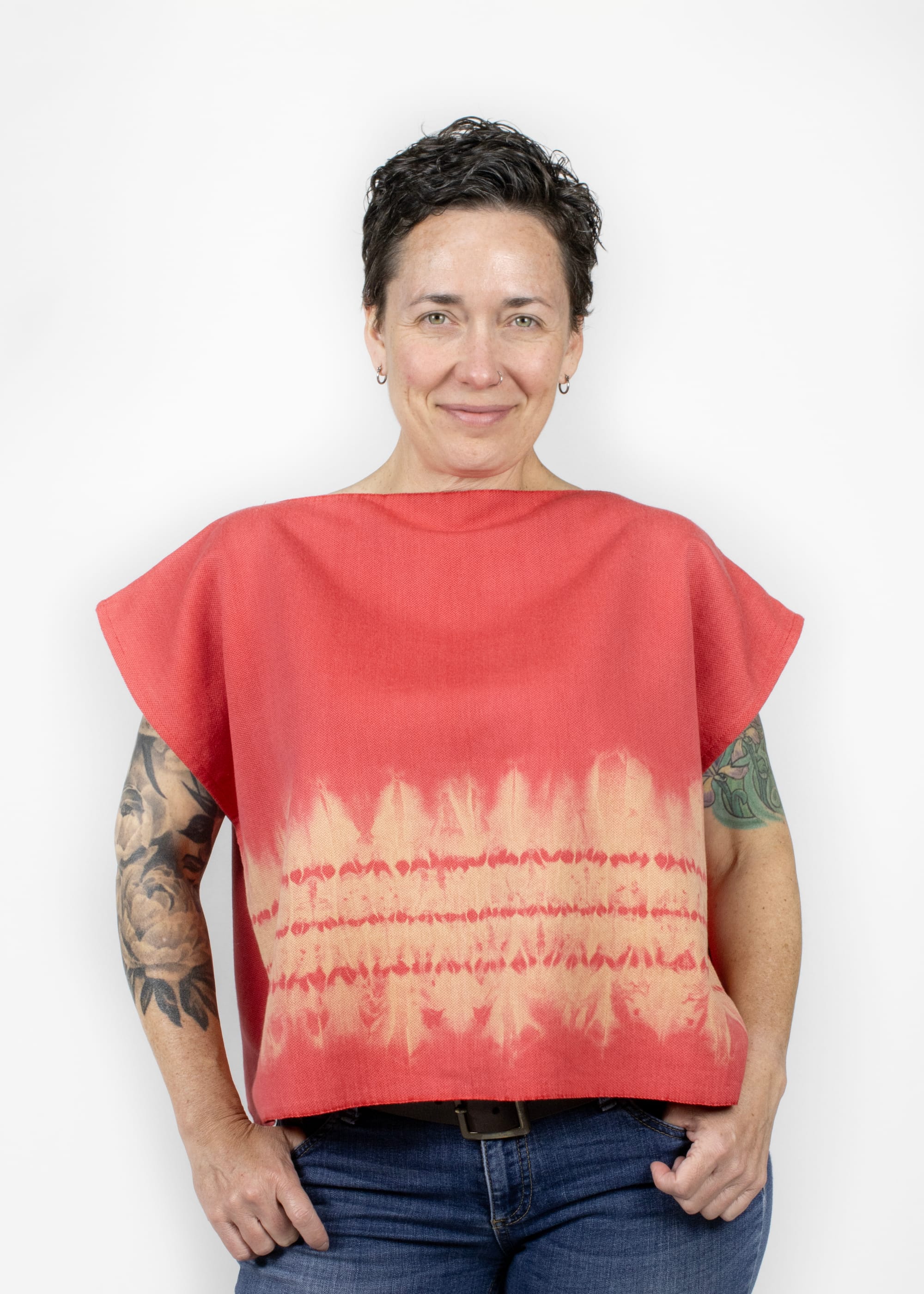
 Morgan Laurens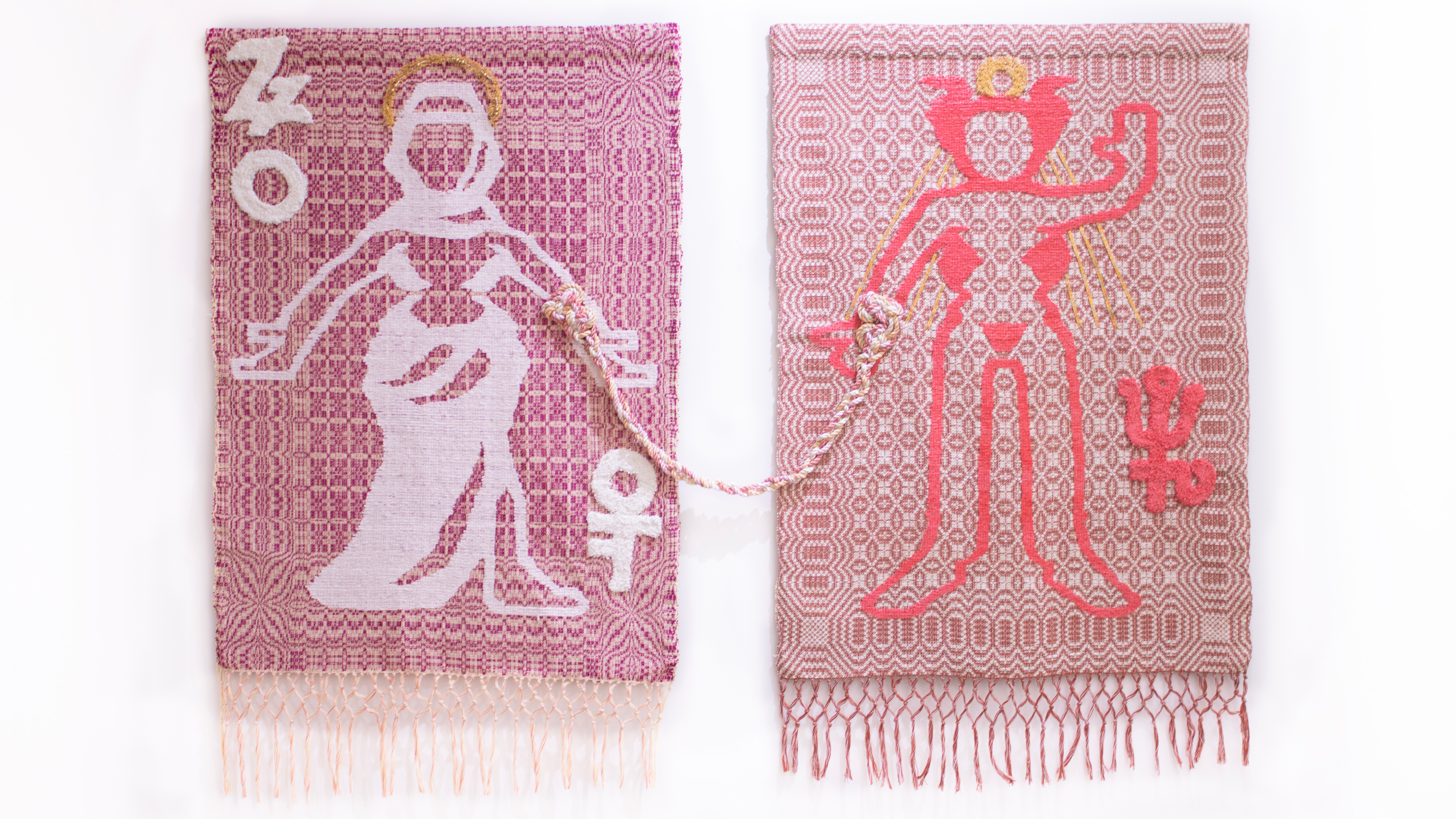
Meet the Makers
- Allison Teeples: Weaver, textile artist, fiber arts instructor
- Christine Savage-Mindel: Ceramicist, glaze chemist, community collaborator
- Esi Hutchinson: Woodworker, furniture-maker, RISD alum
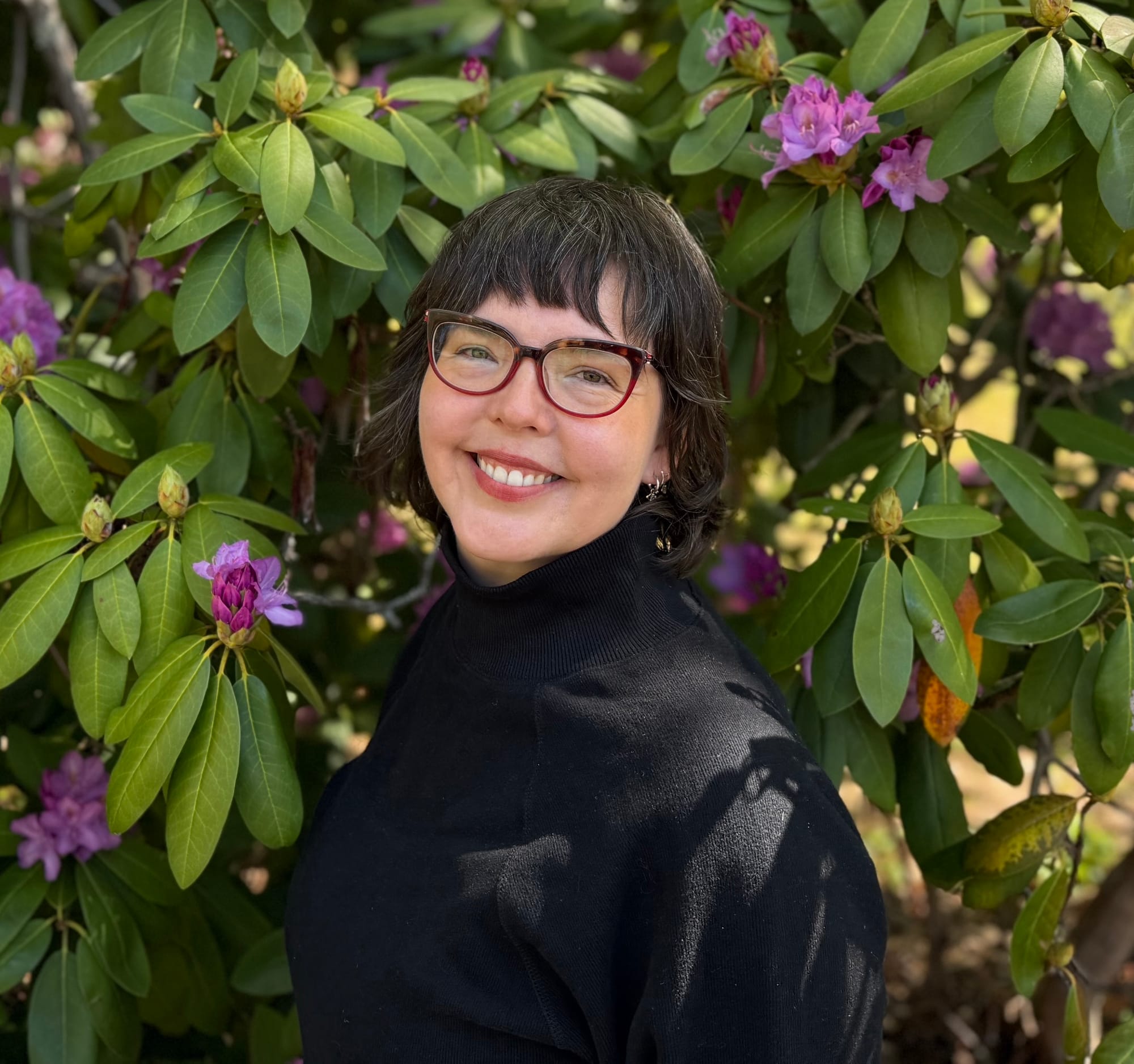
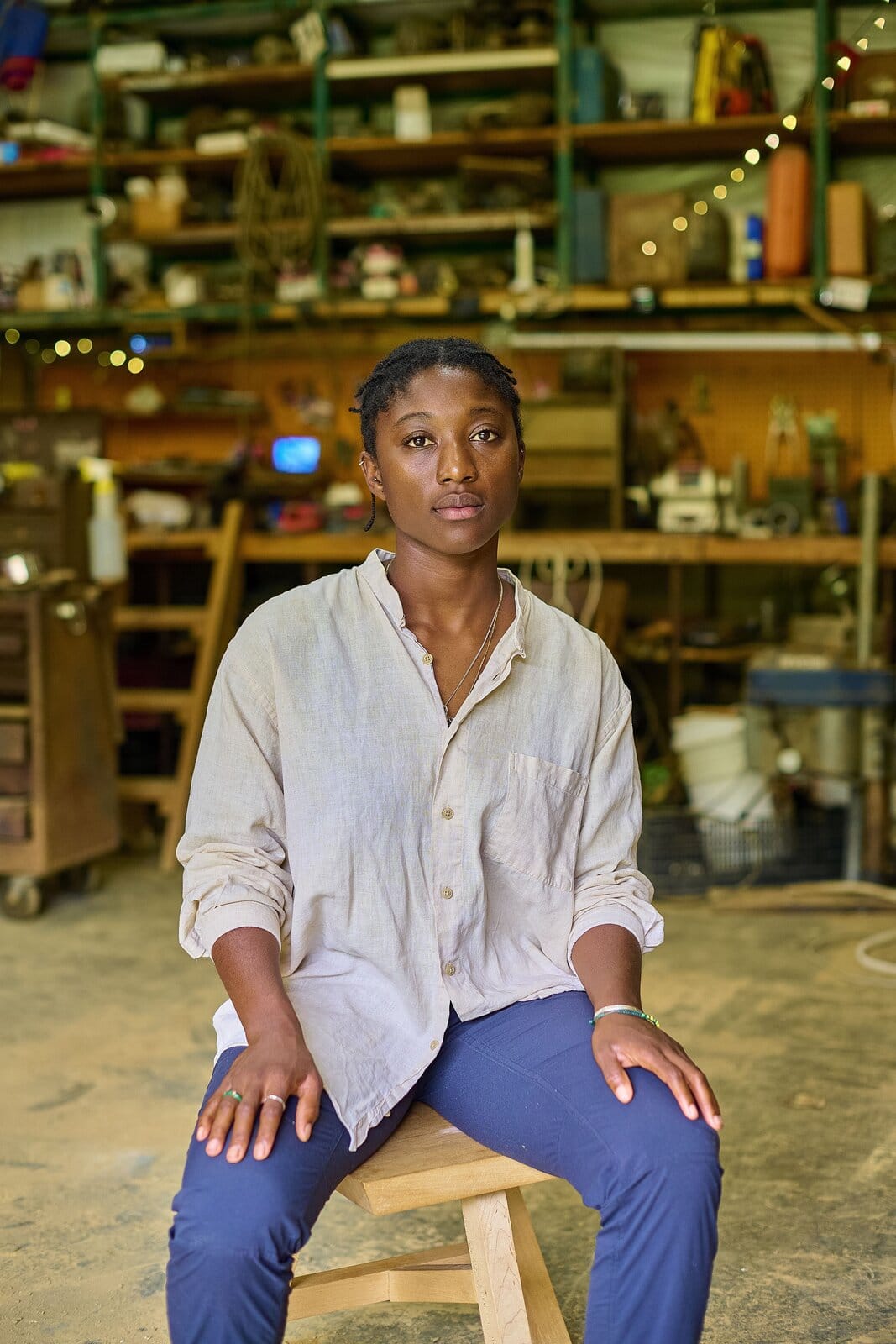
(l-r) Allison Teeples, Christine Savage-Mindel, Esi Hutchinson
What will you miss most about the Professional Crafts Program?
Allison Teeples: Having critiques with people from other disciplines is so valuable. They see things you wouldn’t. I’m going to miss that.
Christine Savage-Mindel: You lose something when you leave, that community of people looking at your work with a critical eye. You make for yourself, for a customer, but you also need people you trust to help you see what you might otherwise miss, or encourage you to elevate something so you can get better.
Esi Hutchinson: I’m going to feel a little lonely, not being in school. People might think being an artist is a solo thing, but it’s such a community-based system. Even if you’re working on your own, you still get to rant, ask for ideas, talk about artists who inspire you.
How do students from different craft disciplines—such as clay, woodworking, fiber arts, and jewelry—collaborate and learn from each other?
AT: We can’t help but talk about our craft... I’ve learned a lot about clay and even more about woodworking, being in this program. We actually do a paired project with another student in a different medium. Each and every one of us is performing at some level of witchcraft and voodoo. It’s wild. You did what to what, and it looks like that?
CSM: One of the benefits is you meet other artists who aren’t in direct competition with you... It’s nice to collaborate. For example, I worked with a weaver to make scarf slides. I got to make the chunky ones I always dreamed of.
EH: Honestly, we learn the most during lunchtime. If we’re worried about an aesthetic, we show a picture of what we’re working on and ask, "Do you think I should do this or this?"
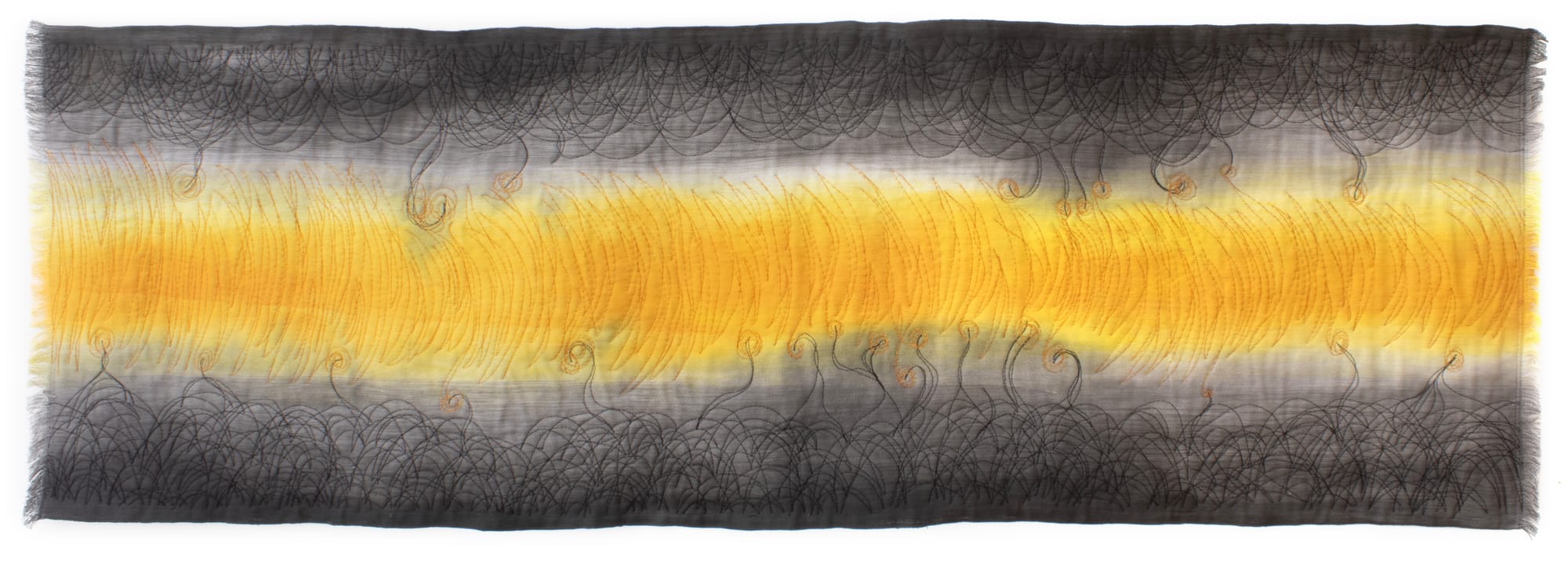
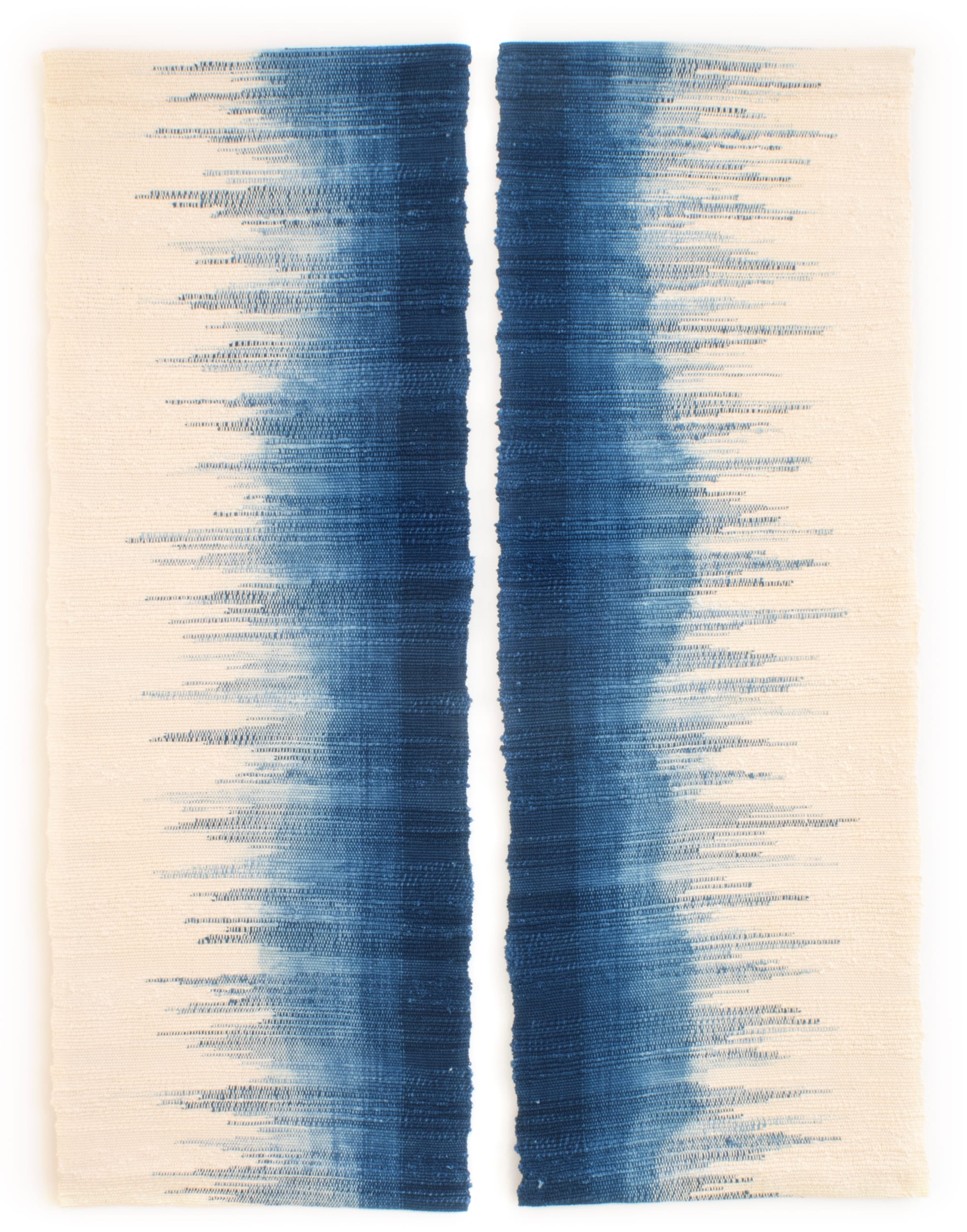
(l-r) 'Perseverance'; 'Intuition' by Allison Teeples
What challenges will you face after leaving the structured environment of college?
AT: I do have a home studio—loom, sewing machine, workbench, mountain of yarn—but the one thing I’m missing is a proper dye setup for large-scale work. And some materials are just getting harder to source. I’ve noticed mills shutting down, prices climbing for cotton, wool, and indigo dye.
CSM: The big thing for potters is losing the kilns. It’s expensive: $20,000 just to set up. So I’m networking, trying to find people with kilns I can rent space in, or maybe trade labor, like helping load and fire.
EH: I don’t have a home studio. I substitute things for tools when I can... Renting studio space is expensive, so I’ll keep using the school as long as I can, make production goods, get commissions, and take the lessons from our craft marketing class.
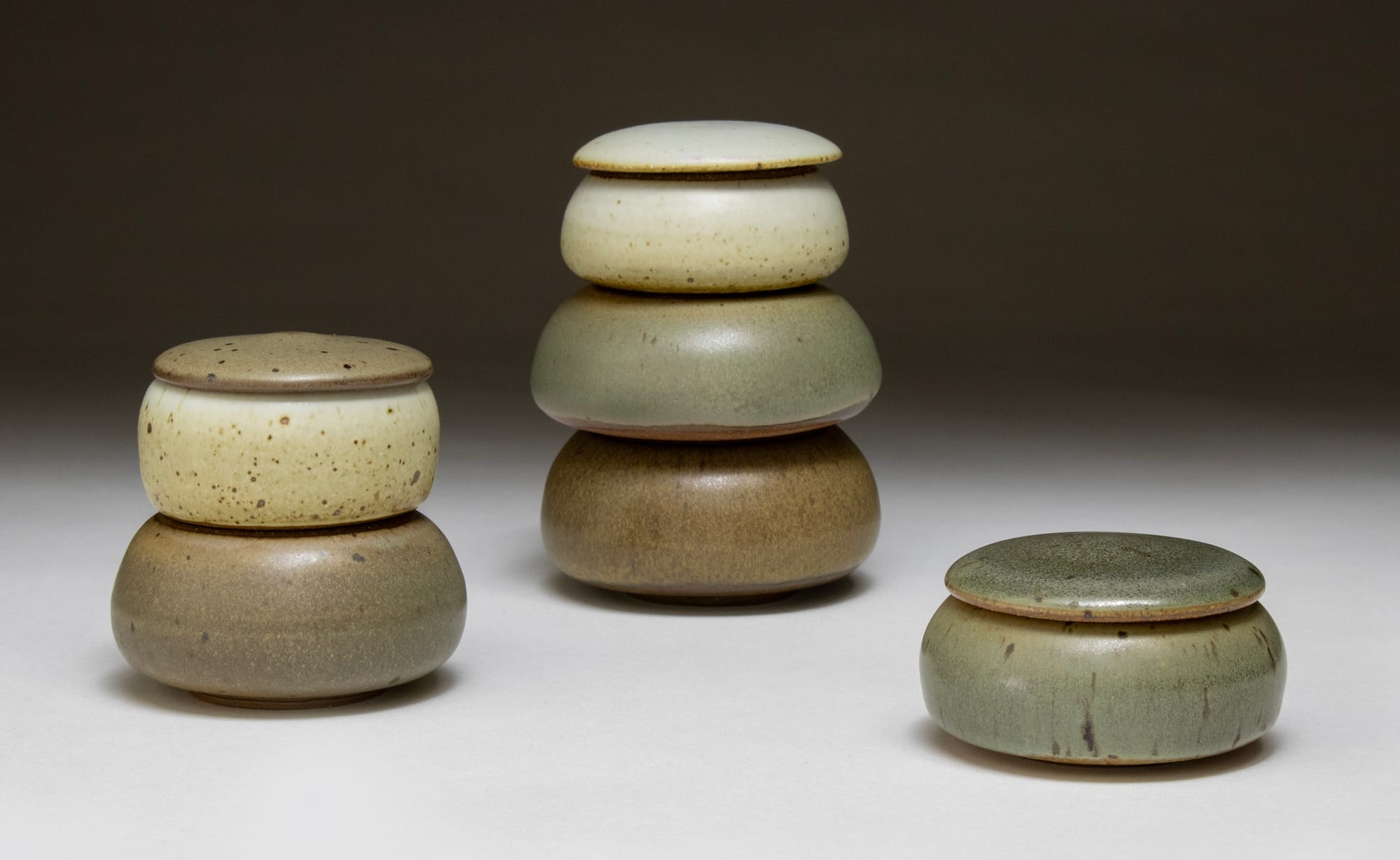
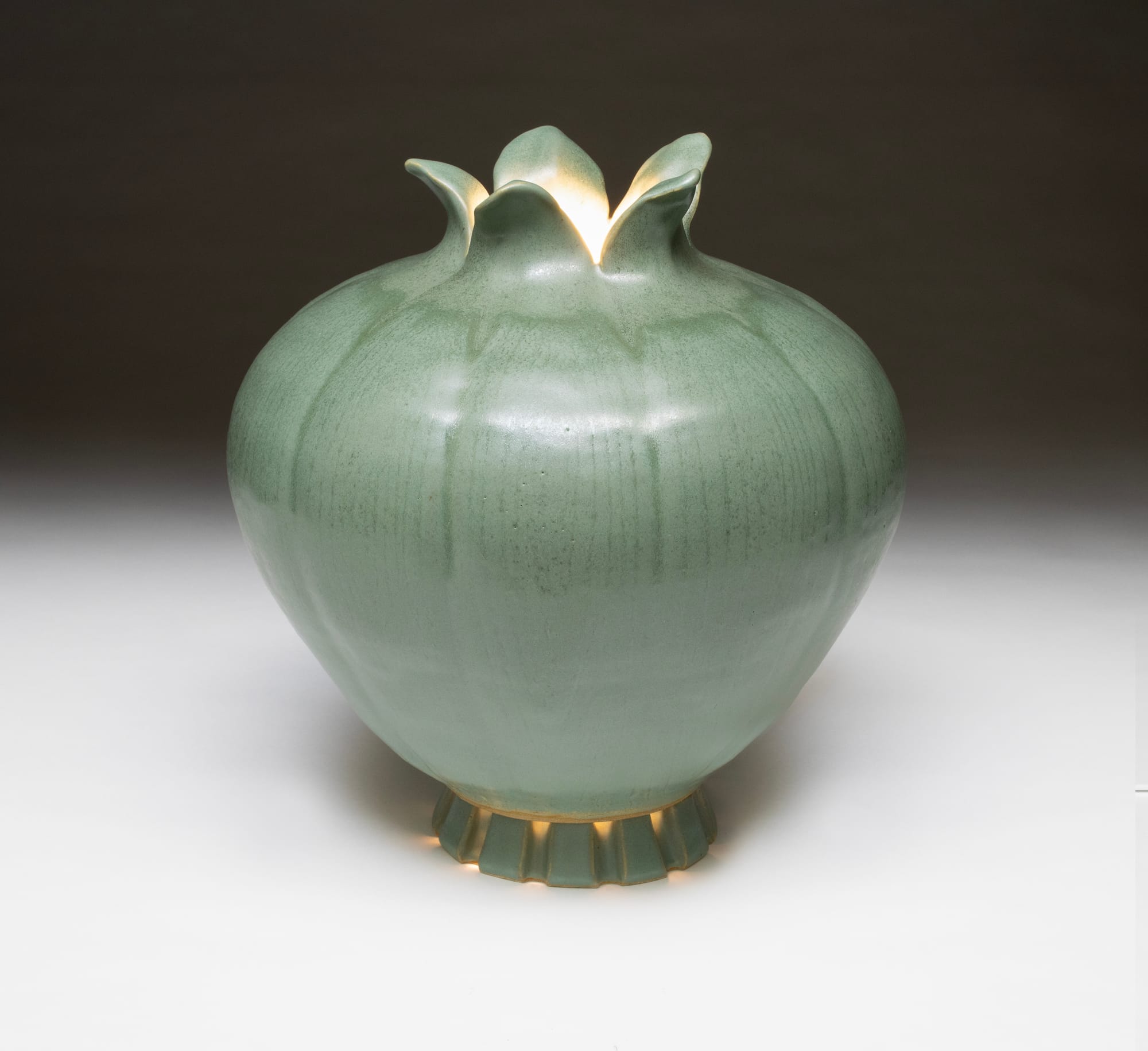
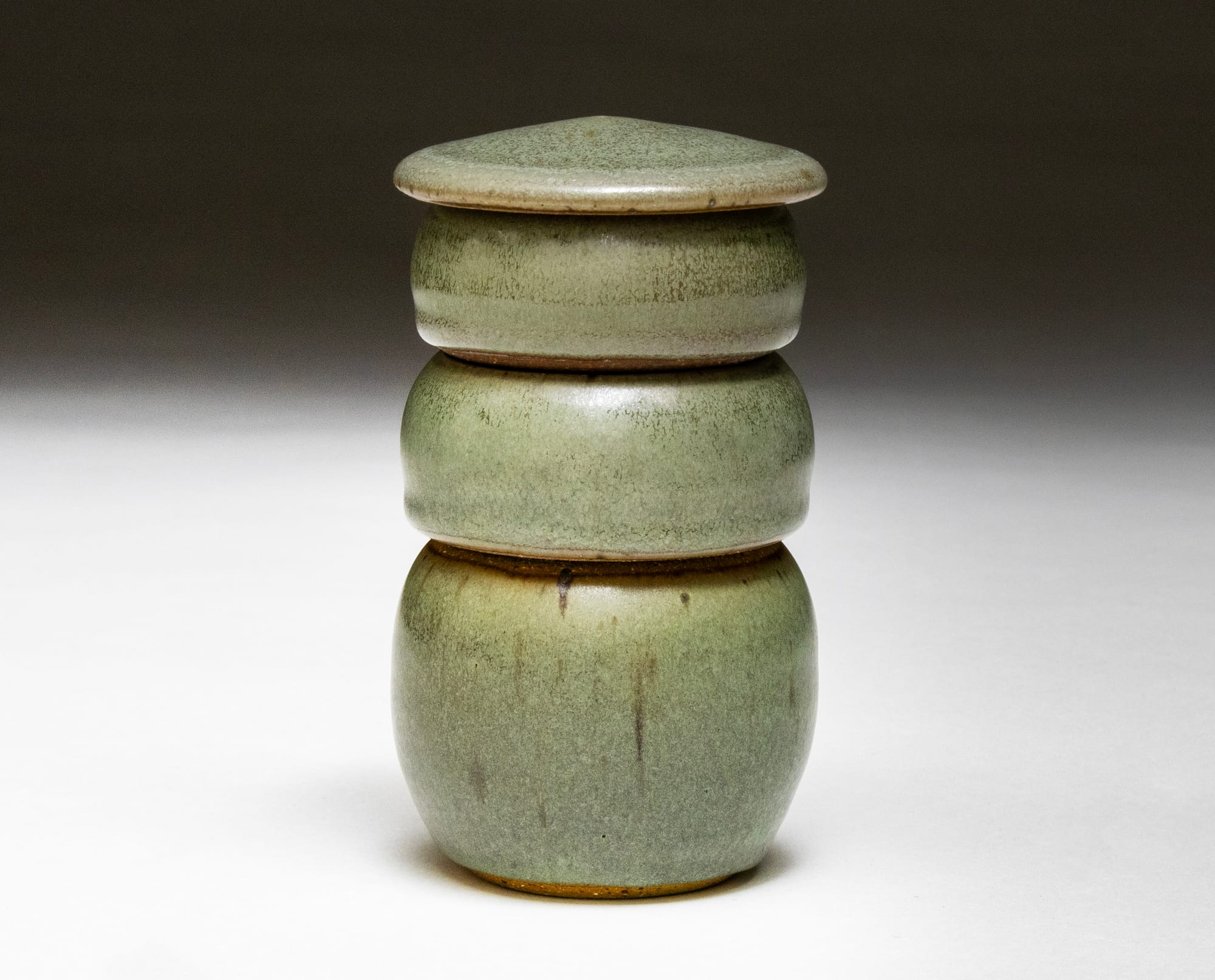
(l-r) 'What Do You Keep Inside?'; 'Inspiration is a Seed (Lamp)'; 'Useful Vessel Stack' by Christine Savage-Mindel
What did the business and marketing classes teach about making a living from art?
AT: The marketing class was wild. A real wake-up call. We literally start with a mission statement and build it up: What’s your product? [The class included topics like] target audience, market research, pricing, branding, even running a production line.
CSM: It was extremely comprehensive. We even went on a field trip to a gallery, and the owner just firehosed everything we’d learned in one go. Our instructors have all been self-supported artists. You get the unvarnished truth.
EH: They teach you how to sell your work. I never imagined that side of things. But selling things at the [Southern Highland] Craft Guild or the Big Crafty, it makes you believe, “Yeah, I could do this.”
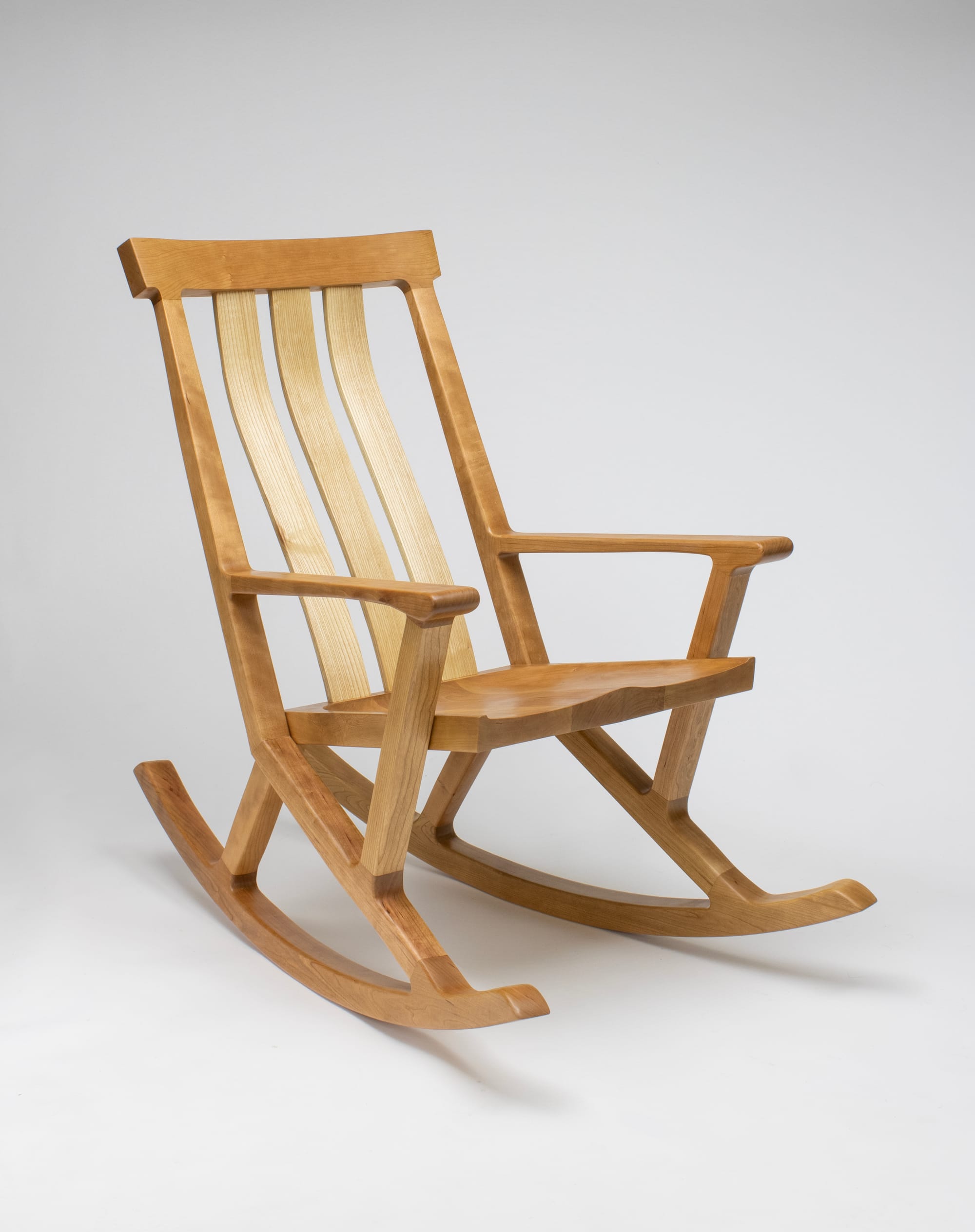
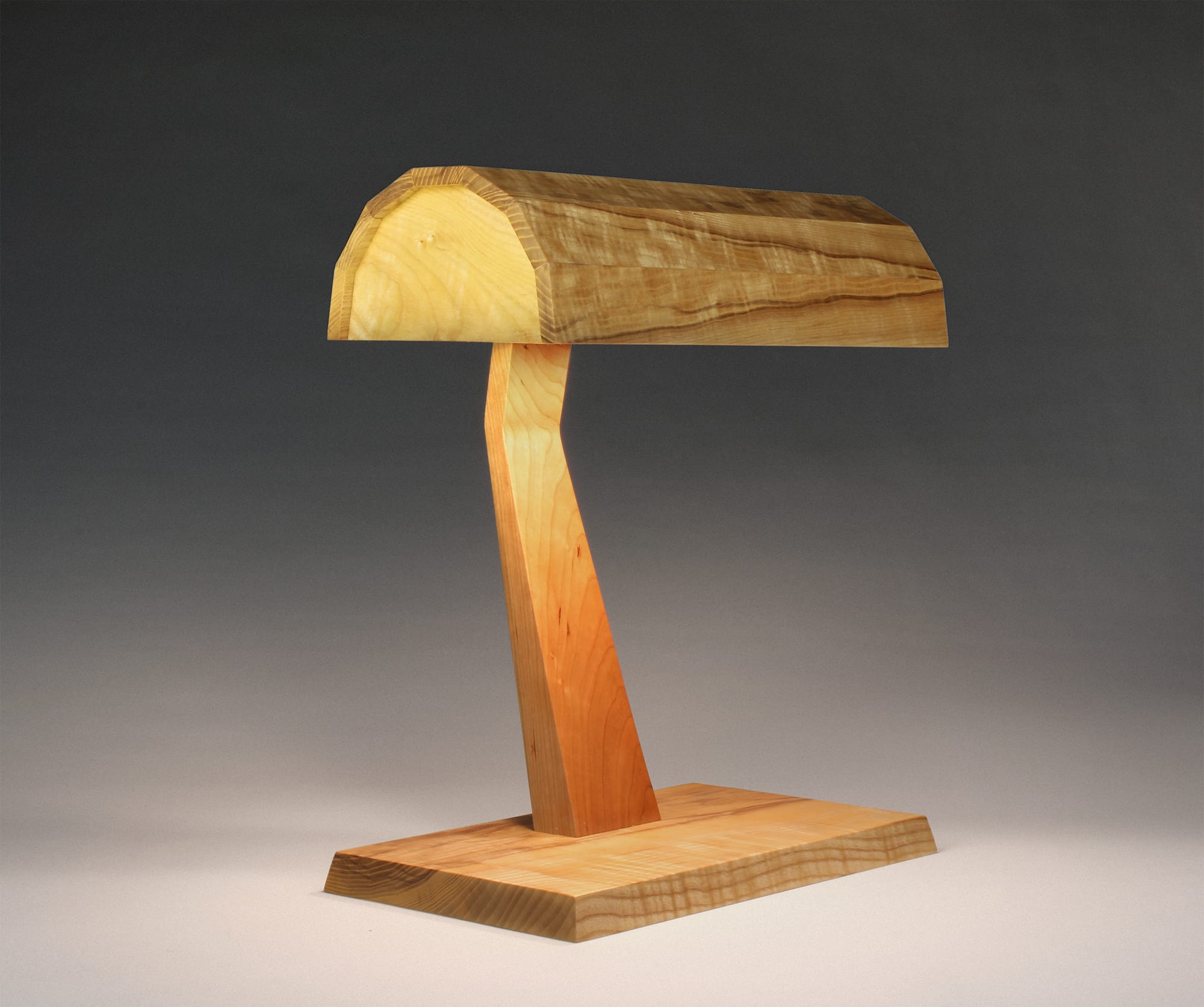
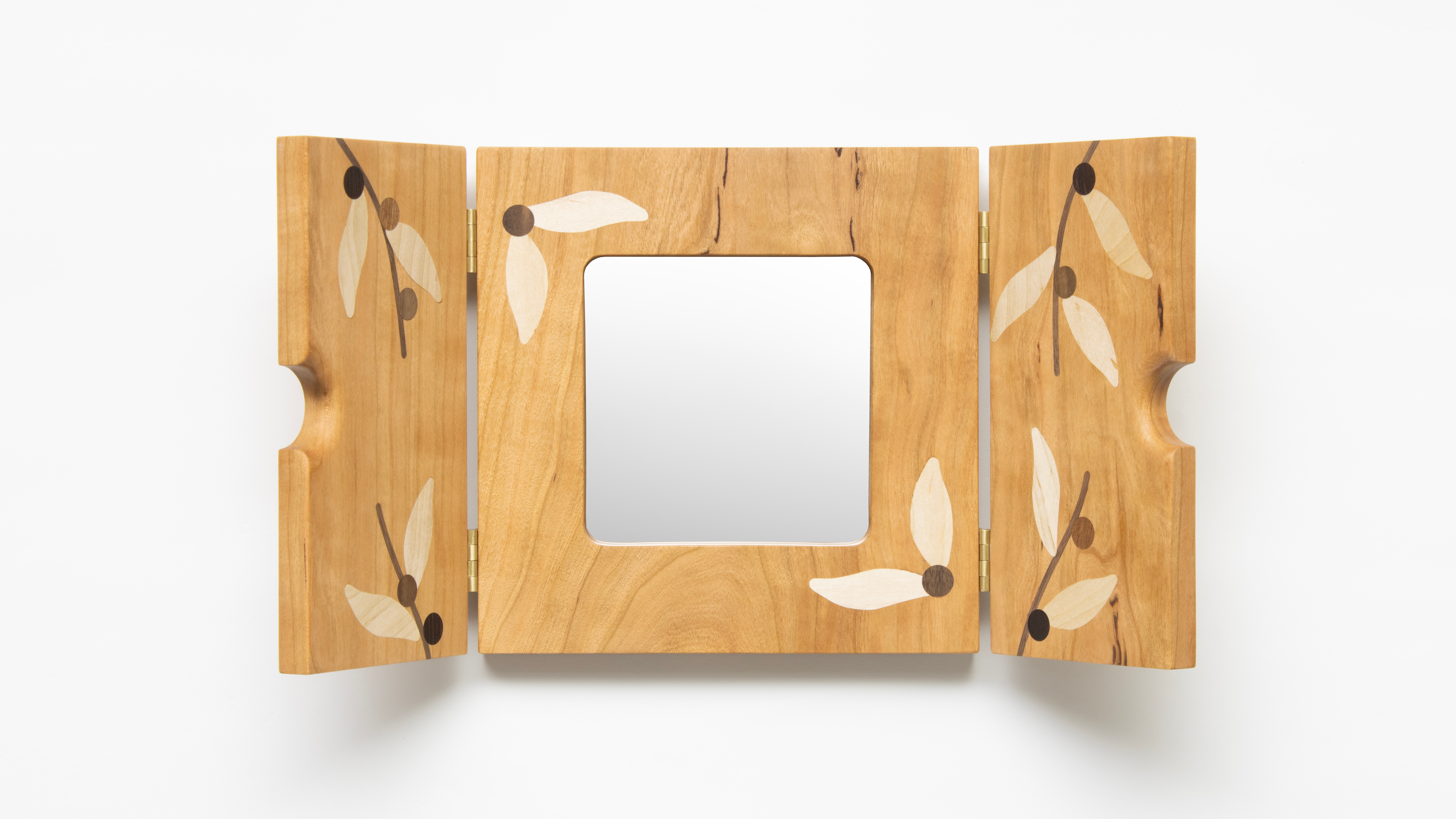
(l-r) 'The Evening Rocker'; 'Ledger Lamp' by Esi Hutchinson
How did you choose which pieces to include in the graduate show?
AT: For our final exhibition, we wrote full proposals—sketches, materials, timelines—over the winter break. My piece, “Perseverance,” had been in my head since before the program. But by the fifth semester, I finally had the skills to make it real.
CSM: I love lighting, always have. So I made a lamp inspired by the form of a poppy pod, with light representing the spark inside seeds... I wanted this ambient quality, something sculptural and not just functional. The other was a stack vessel, something you can use but also enjoy as an object in itself.
EH: If I’m ever considered a woodworker, it’s because of that rocking chair in the show. Hardest thing I’ve ever made. Steam-bending slats, carving the seat by hand. I don’t know if I could do it again without my teacher.
How have the community and environment at Haywood Community College shaped your growth as artists and your outlook for life after graduation?
AT: When I told people I was doing this associate degree, they’d say, “You have other degrees, so this’ll be a breeze.” It was actually the most immersive, hardest I’ve worked for a degree, but the most rewarding. You can’t do it halfway.
CSM: I moved to a valley full of weaving and pottery elders. At first, I just wanted to learn enough to have a conversation with them. This program gave me enough confidence to make things, to join the conversation, and to imagine what a life in craft could look like.
EH: When I went to art school the first time, I never imagined selling my work. Now, seeing people—including classmates—really making a go of it? I feel like it’s actually possible.
See the Haywood Community College Professional Crafts Grad Show at the Southern Highland Craft Guild Folk Art Center through September 16, or see it online at ArtsvilleUSA.
 Morgan Laurens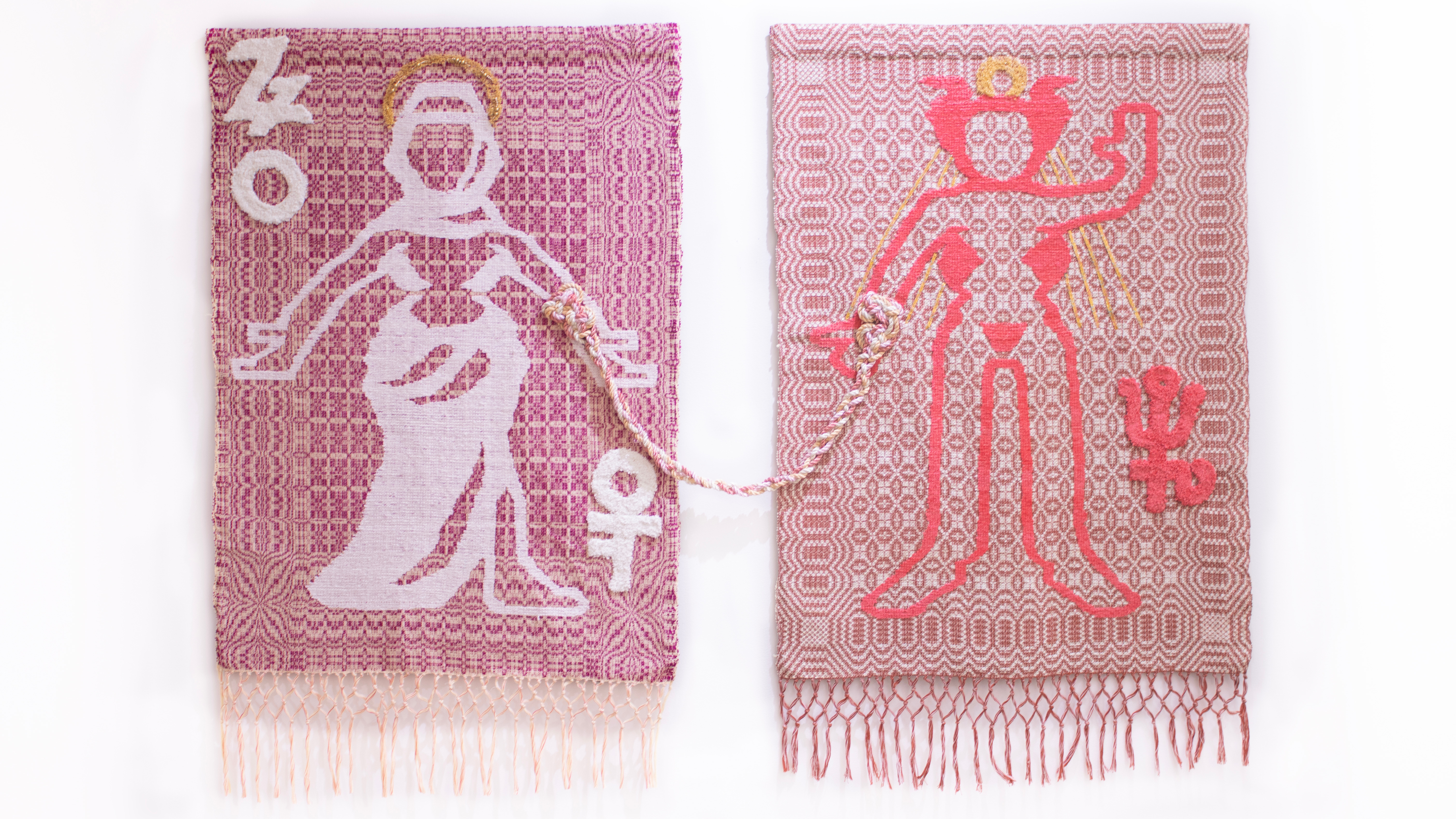
If you have leads on kilns, studio space, or metal work trades, please contact ArtsvilleUSA to help support the next wave of professional craft artists.
This interview has been edited for clarity and flow. All photos published with permission of the artist(s).