Revisiting ArtsvilleUSA’s Most-Loved Stories of 2025
Join us as we look back at ArtsvilleUSA's top stories of 2025—featuring readers' favorites, staff selections, and hidden treasures worth rediscovering.

What a year it's been.
In 2025, ArtsvilleUSA continued our mission to document and celebrate the creative pulse of Western North Carolina—23 counties of artists, makers, and cultural stewards whose work defines this region. But this year tested us in ways we couldn't have anticipated. Hurricane Helene didn't just reshape our landscape; it revealed the true depth of our creative community's resilience.
Through it all, you showed up. You read our stories about artists rebuilding studios, Afghan refugees finding community through craft, and puppet collectives bringing joy to our community. You explored virtual exhibitions that reframed disaster as an opportunity for solidarity. You discovered alternatives when beloved institutions closed and celebrated the quiet beauty of quilt trails winding through mountain backroads.
This end-of-year roundup showcases our most-loved stories and most-viewed exhibitions of 2025—the pieces that resonated, informed, and inspired as we collectively processed loss and recommitted to the creative work that sustains us. From profiles of fiber artists translating seasons into textiles to features on Black-owned businesses reclaiming historic spaces, these stories capture a region in transformation.
What was your favorite story this year? We’d love to hear from you.
Readers’ Choice

Take a Self-Guided Tour Through the Quilt Trails of Western North Carolina
Over 300 hand-painted quilt squares adorn barns, businesses, and homes across nine Western North Carolina counties, forming a grassroots public art movement that transforms rural byways into living museums of Appalachian heritage and storytelling. Our comprehensive guide serves as both a cultural primer and a practical road map, walking readers through Haywood County's five self-guided trails—from Waynesville to Canton—while spotlighting the dedicated volunteers who gather weekly to preserve this tradition of exterior folk art. It's essential reading for anyone planning a road trip through the region.
Read our Quit Trails Guide here.
How Erin Keane Blends Encaustic With Photography and Bookbinding
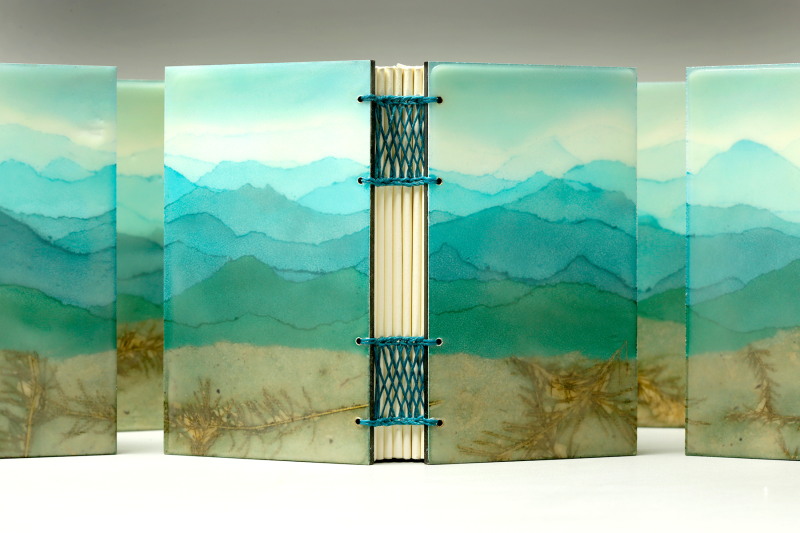
Asheville artist Erin Keane has spent 25 years mastering encaustic—an ancient hot-wax painting technique—transforming it from a professional development class discovery into a signature medium she layers over photography and weaves into sculptural bookbinding. Our profile of Erin captures an artist at a turning point: After Hurricane Helene flooded her teaching space at 310 ART, Keane launched intimate workshops from her living room studio, where she shares techniques for visual journaling inspired by Western North Carolina's trails and waterways.
Read our interview with Erin Keane here or view her work in Reawakening: Craft Artists of Western North Carolina here.
Joann Fabrics Is Closing. Here Are 6 Alternatives for Crafters in WNC
After eight decades, beloved national chain Joann Fabrics shuttered all 800 locations—including four in Western North Carolina—following a failed bankruptcy restructuring and subsequent liquidation sale. This story spotlights six independent, family-owned alternatives from yarn havens to quilting shops that stepped up to fill the void left by the big-box retailer's collapse.
Read the story here.
Staff Picks

Afghan Women in Asheville Cultivate Community Through Craft and Cuisine
Three years after the chaotic U.S. withdrawal from Afghanistan, Asheville nonprofit Sisters in Circles has transformed monthly craft gatherings into a lifeline for displaced Afghan women—offering paid piecework in sewing and beading while fostering community through potluck meals centered around rice, chai, and the legendary Afghan tradition of hospitality. Our intimate profile captures the stark contrast between the women's new lives in Western North Carolina and the "hell" they left behind under Taliban rule, while documenting how friendships forged over fabric and food have helped asylum seekers rebuild their sense of purpose in an unfamiliar land.
Read our story on the Afghan Women’s Craft Collective here.
A Toast to Tea: Exploring the Kamm Teapot Collection
This visual feast showcases eight whimsical teapots by Western North Carolina artists—from Kathy Triplett's industrial-inspired blue vessel to Kelly Muse Reed's provocatively anatomical crocheted "Sex Pot"—all drawn from the 17,000-piece Kamm Teapot Collection, the world's largest privately held assemblage of tea-related art with a storage facility in Statesville. The piece works as both a celebration of regional ceramic and sculptural talent and an accessible entry point into functional art, featuring everything from Michael Sherrill's psychedelic stoneware to Jan Kolenda's stone "treepots" that mimic bark and branches.
Read our story on the Kamm Teapot Collection here.
Noir Collective AVL: Bringing Black Back to The Block
Noir Collective AVL, a hybrid boutique, gallery, and bookstore launched on Juneteenth 2020 by mother-daughter duo alexandria monque ravenel and Ajax Ravenel, is helping restore Asheville's historic Block—a once-thriving Black commercial district decimated by urban renewal—by creating space for Black entrepreneurs, artists, and activists to build economic power and community connections. Through monthly book clubs tackling cross-racial dialogue, First Friday block parties reclaiming public space, and a YMI Cultural Center incubator partnership, the collective has become more than a retail space—it's a blueprint for cooperative economics and cultural preservation in a heavily gentrified city.
Read our story on the Noir Collective AVL here.
Exhibition Highlights

A Tale of Two Cities
A Tale of Two Cities brought together over 40 artists from New Orleans and Western North Carolina in a powerful cross-regional dialogue about climate disaster and creative resilience, opening strategically between Hurricane Katrina's 20th memorialization and Hurricane Helene's first. Presented by the New Orleans Academy of Fine Arts in partnership with ArtsvilleUSA, River Arts District Artists, and Blue Ridge National Heritage Area, the exhibition ran simultaneously in New Orleans and Asheville through November, with all proceeds going directly to participating WNC artists to support regional recovery.
View A Tale of Two Cities here or read the feature-length story here.
Returning to the Ridge: The Blue Ridge Craft Trails Invitational
The 2025 Blue Ridge Craft Trails Invitational—presented by Blue Ridge National Heritage Area in partnership with ArtsvilleUSA—showcased the enduring legacy of Western North Carolina's century-old handcraft tradition, bringing together contemporary artisans whose work continues the region's evolution from turn-of-the-century economic survival strategy to nationally recognized center of craft excellence. Curator Anna Fariello positioned the exhibition as more than a display of beautiful objects—it's a living testament to how craft production fostered appreciation for handwork during tough times and built the cultural infrastructure that defines WNC today.
View Returning to the Ridge here or explore the Blue Ridge Craft Trails here.
Reawakening: Craft Artists of Western North Carolina
Reawakening: Craft Artists of Western North Carolina—curated by ArtsvilleUSA Editor-in-Chief Morgan Laurens for National Craft Month—positioned handmade objects as "a radical act of hope and connection" just five months after Hurricane Helene devastated the region's natural landscape. The exhibition featured nine nature-inspired artists, including Deb Herman, Libba Tracy, and Erin Keane, with works displayed both physically at the Ferguson Family YMCA in Candler and virtually online, exploring how craft becomes an act of preservation, resistance, and renewal amid environmental crisis.
View Reawakening here or read the curator’s statement here.
Underread Gems

Stitching Seasons: How Fiber Artist Deb Herman Captures the Cycles of Life in Western North Carolina
Weaverville fiber artist Deb Herman has built a practice around immersive observation—spending weeks in mountain cabins and walking endless trails to capture the subtle shifts of Western North Carolina's seasons in textiles that range from silk and pearls to rescued, mud-stained towels stitched with gold thread. Our Q&A reveals an artist who works in real time with nature, creating winter-themed pieces in winter and spring-themed pieces in spring, while honoring discarded materials through excessive embellishment—a powerful commentary on rejection and reverence that extends into her bookbinding practice.
Read our interview with Deb Herman here or view her work in Reawakening: Craft Artists of Western North Carolina here.
High Tide: Libba Tracy’s Sculptures Highlight the Urgent Plight of Endangered Animals
Black Mountain ceramist Libba Tracy creates whimsical animal sculptures—horses with gossiping birds, fish balancing houses, dachshunds chasing bones—that address climate change and endangered species without succumbing to despair, blending her background as a children's book illustrator with urgent environmental messaging. In our interview, Libba recounts how Hurricane Helene shattered her 11-acre "Camelot," uprooting beloved trees and transforming Western North Carolina from climate refuge to climate reality, forcing artists like her to confront the very threats their work depicts.
Read our interview with Libba Tracy here or view her work in Reawakening: Craft Artists of Western North Carolina here.
'So Many Possibilities': The Street Creature Puppet Collective Steps Back Into the Limelight
After Hurricane Helene erased their 2024 fall calendar and forced founder Jen Murphy to rescue puppets from a darkened Asheville Mall-turned-FEMA center, the 50-member Street Creature Puppet Collective pivoted from festival performances to bringing impromptu parades and their iconic 10-foot blue heron to distribution centers and vigils. One year later, the Collective returned in full force with a packed fall festival season, including Surreal Sirkus, LEAF Global Arts Festival, and their annual Halloween House, proving that whimsy and weirdness are essential ingredients in regional recovery.
Read our story on the Street Creature Puppet Collective here.
All images published with permission of the artist(s); featured image: Blue Ridge Books by Erin Keane.